Apple Silicon
A revolutionary chip design that changed how Macs are built, and repaired
Quick Definition
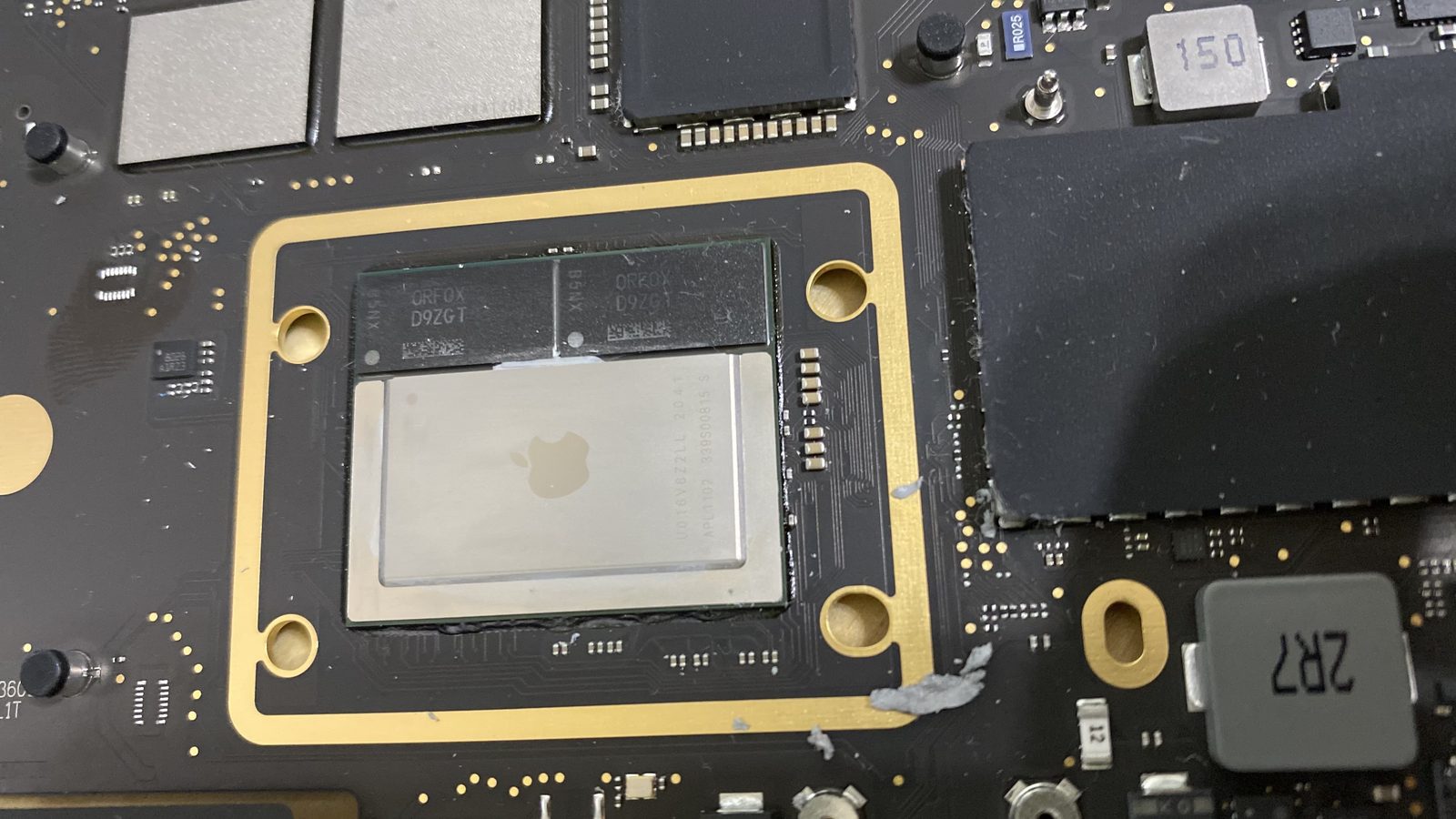
Apple Silicon refers to Apple's custom-designed ARM-based processors (M1, M2, M3, M4 and their Pro/Max/Ultra variants) that replaced Intel CPUs in Macs starting in late 2020. These chips integrate the CPU, GPU, Neural Engine, RAM, and security functions onto a single piece of silicon, a System on a Chip (SoC) design that is fundamentally different from Intel Macs.
How Apple Silicon differs from Intel Macs
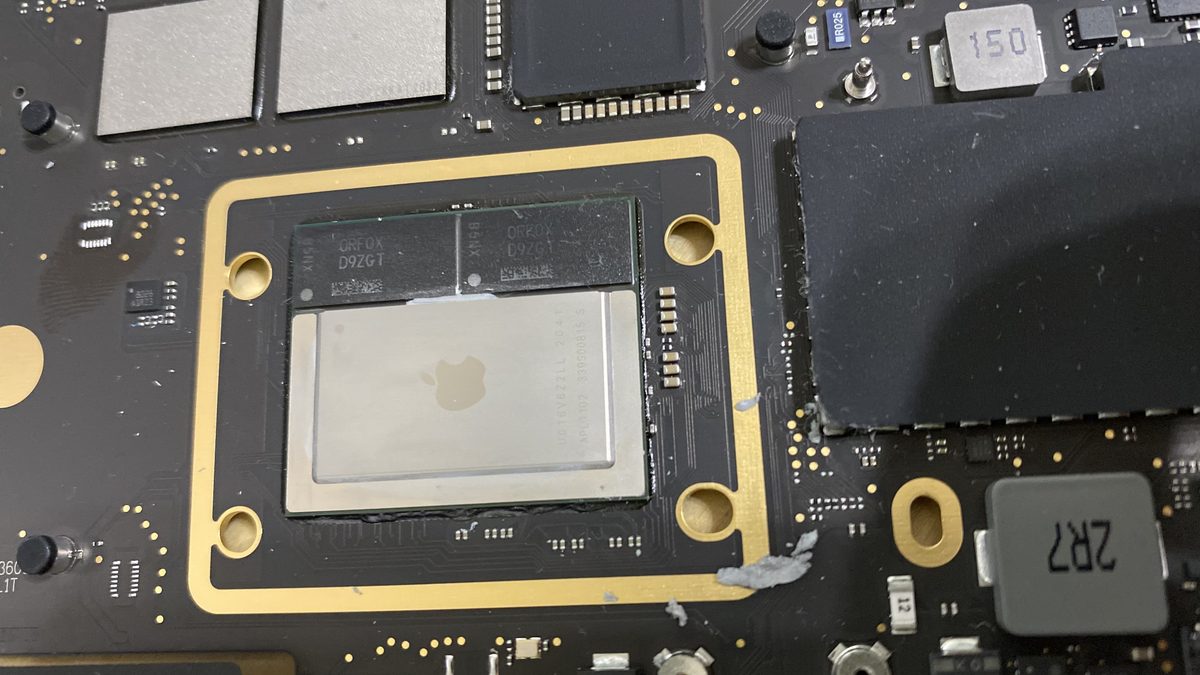
Intel Macs used separate chips for the CPU, GPU, RAM, and security (T2). Apple Silicon integrates all of these onto a single chip, with unified memory (RAM) built directly into the chip package. This architecture delivers dramatically better performance per watt, Apple Silicon Macs run cooler, quieter, and with far better battery life than their Intel predecessors. But it also means that RAM is no longer upgradeable after purchase, and the tight integration creates new repair considerations.
The M-series chip lineup
M1 (2020): The first Apple Silicon chip. Found in MacBook Air, MacBook Pro 13", Mac mini, and iMac 24". M1 Pro/Max (2021): Higher-performance variants for MacBook Pro 14" and 16". M2 (2022): Second generation, found in MacBook Air 13" and 15", MacBook Pro 13", Mac mini, and Mac Pro. M2 Pro/Max/Ultra variants for pro machines. M3 (2023): Third generation with hardware ray tracing. M3 Pro/Max for MacBook Pro. M4 (2024-2025): Fourth generation with enhanced Neural Engine. M4 Pro/Max/Ultra for the full lineup.
Repair implications of Apple Silicon
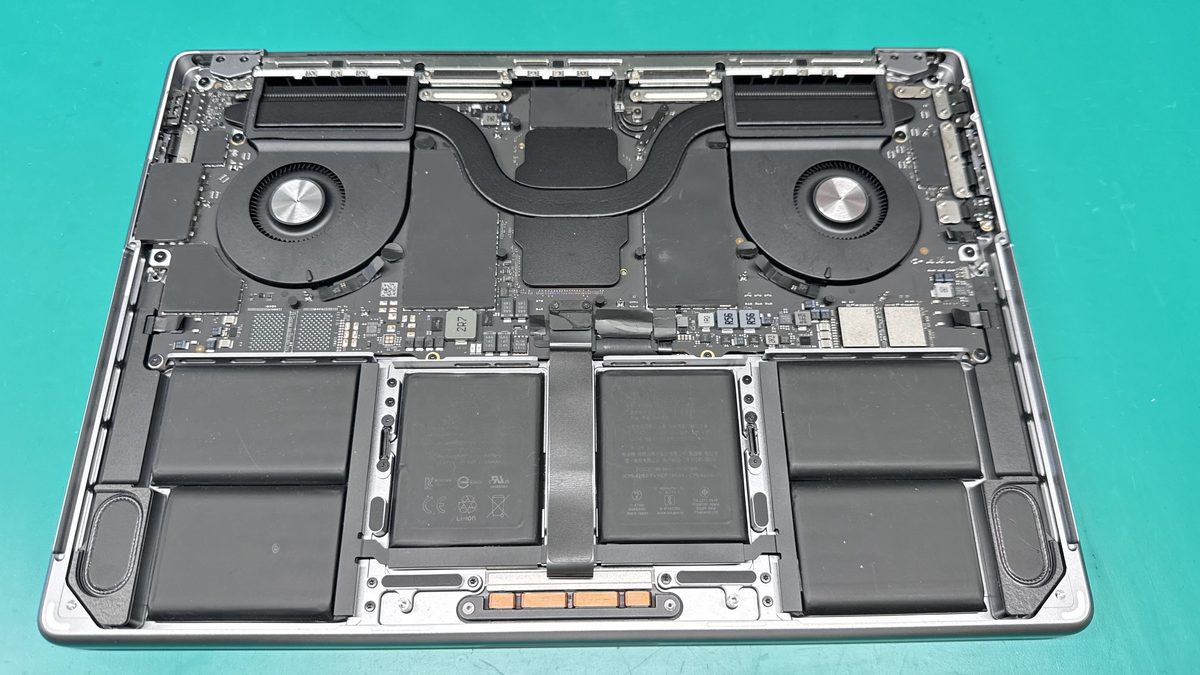
Apple Silicon's unified architecture means the SSD storage controller and encryption are integrated into the main SoC, just like the T2 chip but more deeply. A logic board replacement on an Apple Silicon Mac means losing all data with no possibility of recovery. This makes component-level board repair even more critical than on Intel Macs. The power management, USB/Thunderbolt controllers, and charging circuits around the SoC can still fail independently and are repairable with micro-soldering.
Common Apple Silicon repair issues
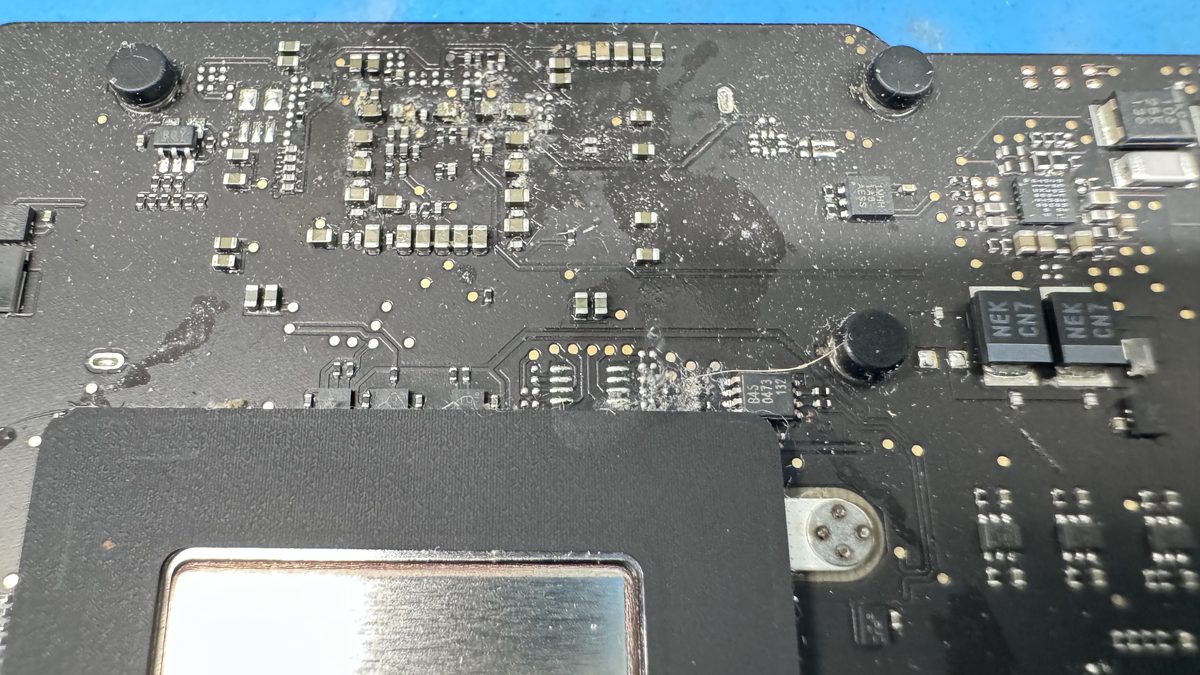
Despite their reliability improvements, Apple Silicon Macs still experience hardware failures: liquid damage corrodes board components around the SoC, power management ICs can fail (especially after power surges), USB-C/Thunderbolt port controllers can burn out, and batteries still degrade with age and heat. The SoC itself is extremely robust, which is good news, most failures involve supporting components that can be repaired without touching the main chip.
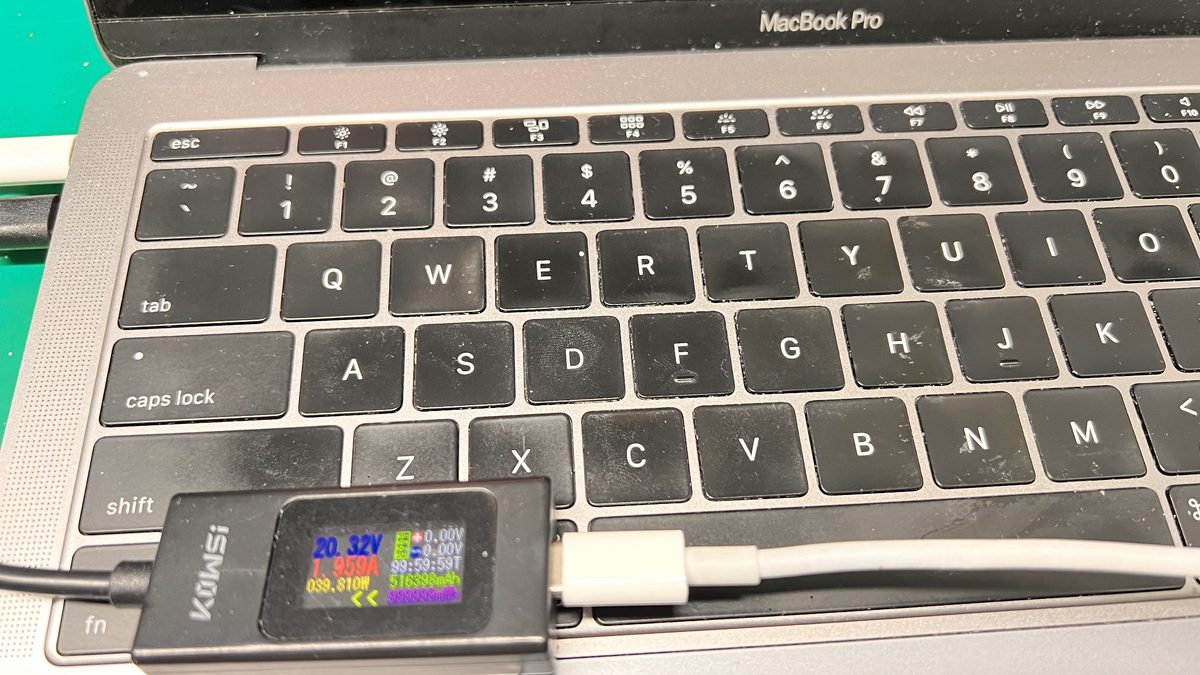
How WarriorMac Handles This
WarriorMac repairs Apple Silicon Macs at the component level, preserving the original SoC and your data. Since the SSD encryption is tied to the chip, board-level repair is often the only way to recover both the machine and your data. We service all M1, M2, M3, and M4 models.
Related WarriorMac services & guides
Frequently Asked Questions
Can Apple Silicon Macs be repaired at the component level?
Yes. While the SoC itself is not individually replaceable, the supporting components around it, power management ICs, USB controllers, charging circuits, and more, can all be repaired with micro-soldering. Most Apple Silicon failures involve these supporting components.
Can I upgrade the RAM in an Apple Silicon Mac?
No. The unified memory is part of the SoC package and cannot be upgraded after manufacture. Choose your RAM configuration carefully at purchase time.
Is data recovery possible on a dead Apple Silicon Mac?
Only through board-level repair that restores power to the original board. The encryption keys are in the SoC, if the board is replaced, the data is gone. This is why component-level repair is so important on Apple Silicon Macs.
Are Apple Silicon Macs more or less repairable than Intel Macs?
The SoC integration makes full board replacement more consequential (data loss), but the supporting components are equally repairable. And because Apple Silicon Macs run cooler with fewer thermal-related failures, the overall failure rate is lower. When they do fail, board-level repair is the preferred approach.