Board-Level Repair vs. Part Replacement
The repair method matters as much as the repair itself
Quick Definition
Board-level repair means fixing individual components (chips, capacitors, connectors) on the existing circuit board using micro-soldering. Part replacement means swapping an entire module, a complete logic board, display assembly, or top case. These are fundamentally different repair approaches with different costs, timelines, and data implications.
What is board-level repair?
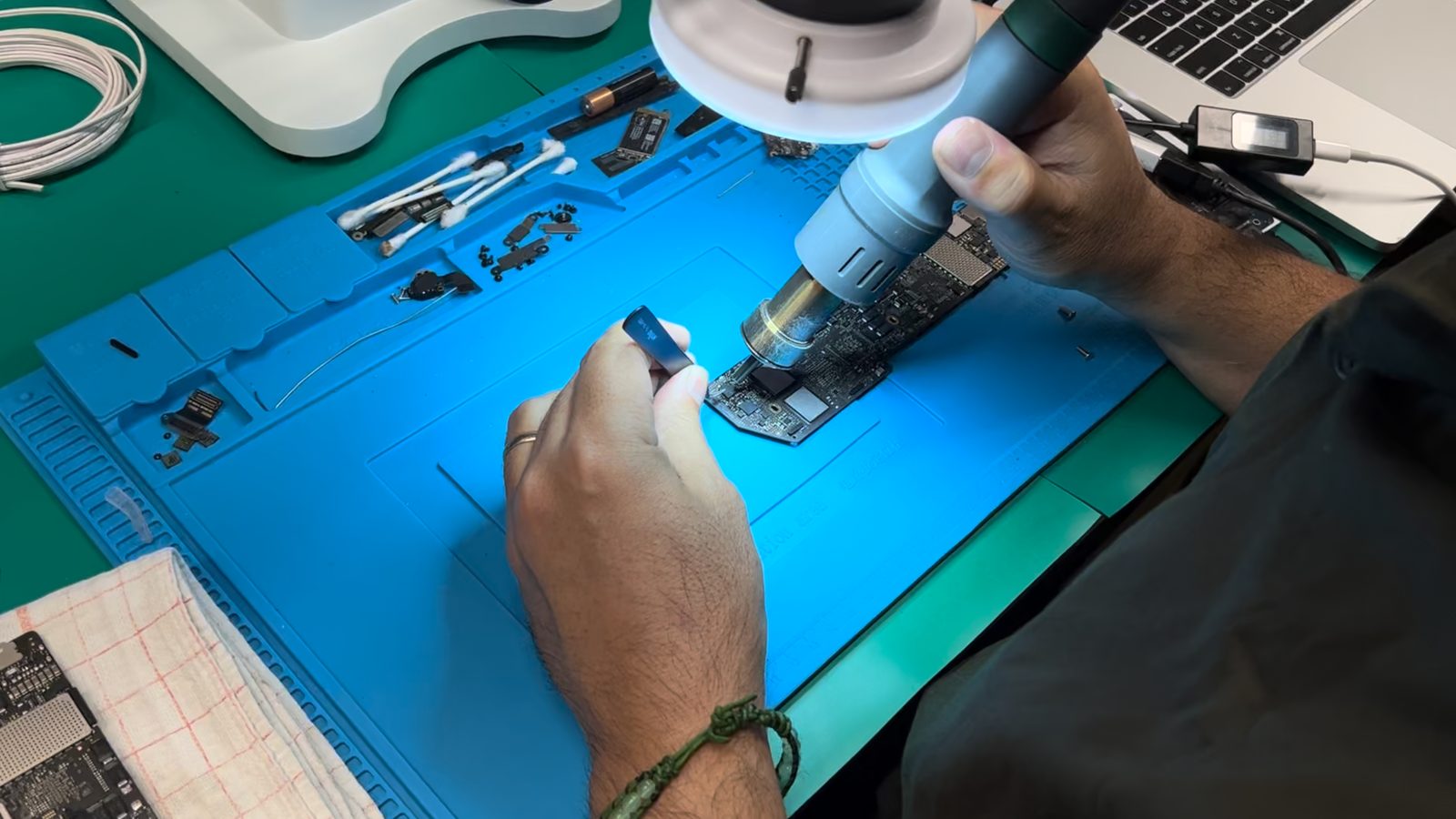
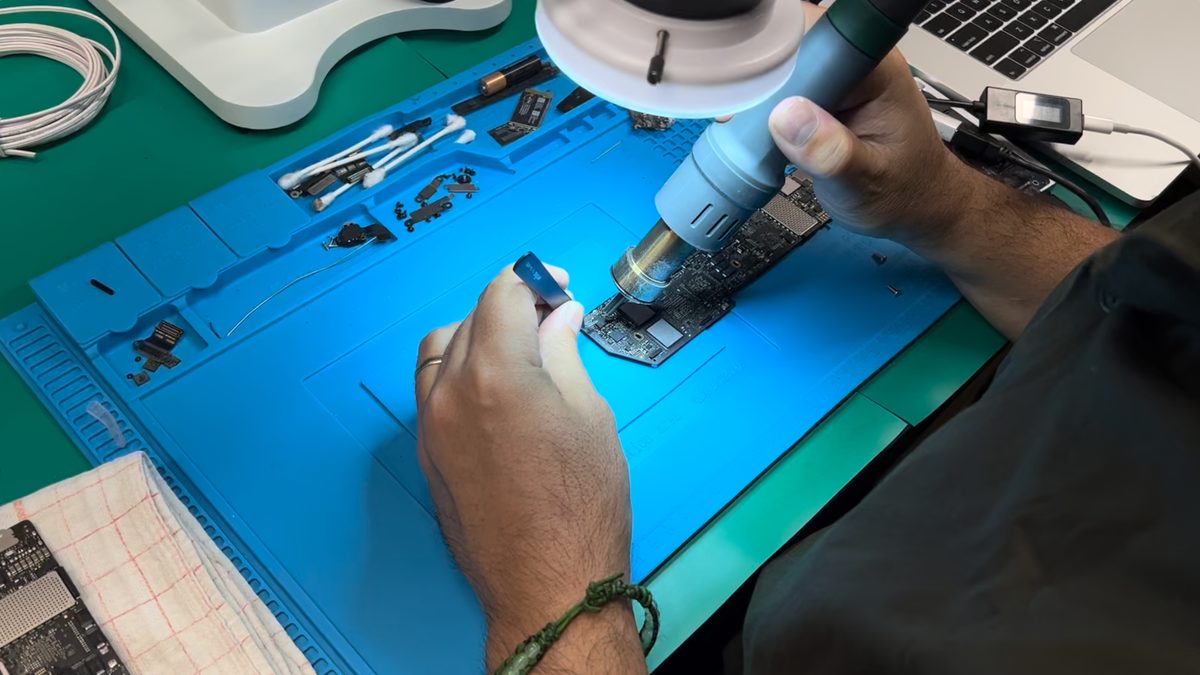
Board-level repair (also called component-level repair or micro-soldering) involves diagnosing the exact failed component on a circuit board and replacing just that component. A technician uses a microscope, multimeter, thermal camera, and schematics to locate the failure, then uses a hot-air rework station or precision soldering iron to remove the bad component and install a replacement. This approach treats the board like a patient, diagnosing and treating the specific problem rather than replacing the entire organ.
What is part replacement?
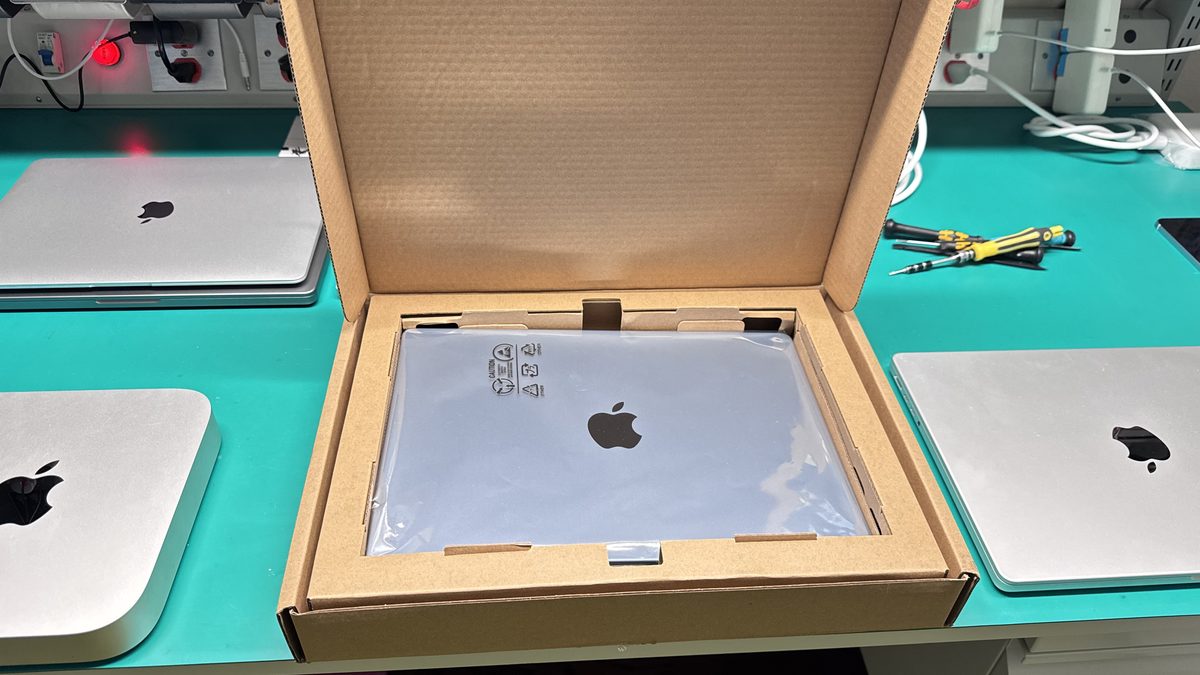
Part replacement means swapping an entire module: the whole logic board, the complete display assembly, or the full top case (keyboard, battery, trackpad, and chassis in one piece). This is Apple's standard approach at the Genius Bar and the method most general repair shops use. It requires less diagnostic skill and no micro-soldering equipment, but it costs significantly more because you are paying for an entire new module when only a small part of it has failed.
Cost comparison
The cost difference is substantial. A full logic board replacement from Apple typically runs $600 to $1,500+, depending on the model. Board-level repair for the same issue, replacing a blown capacitor, a failed voltage regulator, or a corroded IC, typically costs $199 to $499. For displays, Apple charges $300-$900+ for a full assembly replacement, while a targeted repair (flex cable, backlight circuit) can cost significantly less.
Data preservation
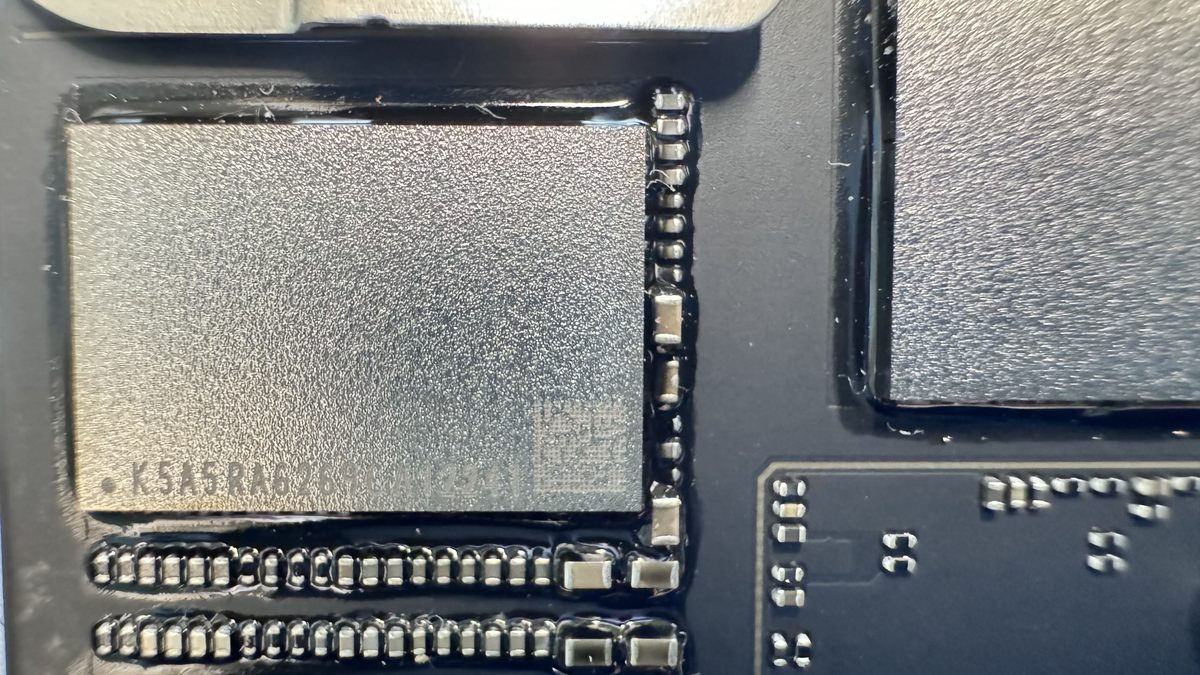
On modern Macs with Apple Silicon (M1, M2, M3, M4) and T2-equipped Intel Macs, the SSD storage is soldered directly to the logic board. If the entire logic board is replaced, your data goes with the old board, it is effectively lost unless you had a backup. Board-level repair preserves the original board and all data on it. This alone makes component-level repair the preferred approach for any Mac with soldered storage.
When each approach makes sense
Board-level repair is ideal when the failure is caused by a specific component (power IC, USB controller, charging circuit, corroded solder joint) and the rest of the board is healthy. Part replacement makes sense when the damage is too extensive for component repair (severe physical damage, multiple failed BGA chips), or when the cost of board-level repair would approach the cost of a replacement board. A good repair shop evaluates both options and recommends the most cost-effective path.
How WarriorMac Handles This
WarriorMac specializes in board-level micro-soldering repair. With 25 years of experience, we diagnose the exact failed component and repair it directly, saving you hundreds of dollars and preserving your data. We always evaluate both repair approaches and recommend the most cost-effective option for your specific situation.
Related WarriorMac services & guides
Frequently Asked Questions
How do I know if my Mac needs board-level repair or part replacement?
We diagnose every device for free. Our technicians determine whether the failure can be fixed at the component level or requires a full part replacement, and explain both options with transparent pricing before you decide.
Why do most shops not offer board-level repair?
Board-level repair requires specialized equipment (microscopes, hot-air rework stations, thermal cameras), access to schematics, and extensive micro-soldering training. Most general repair shops lack this capability and default to swapping entire modules.
Is board-level repair as reliable as part replacement?
Yes. When performed by a skilled technician with proper equipment, board-level repair is highly reliable. At WarriorMac, board-level repairs carry a 180-day warranty. Repairs using brand-new replacement parts carry a 1-year warranty.
Can you do board-level repair on Apple Silicon Macs?
Yes. We perform component-level repairs on M1, M2, M3, and M4 Macs. These are particularly important because the SSD is soldered to the board, a full board swap means losing your data.